Ice Storm Help and Recovery Resources
Practical guidance, official links, and free homeowner claim help in one place.


Current advisories and alerts (NWS)
News Updates
(National)
9 Tips to Prepare Your Home for Winter
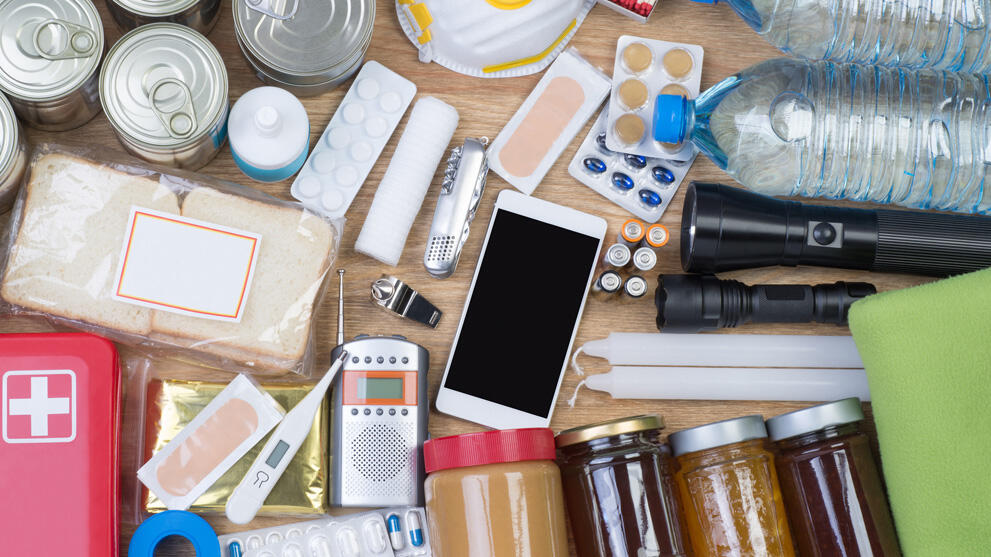
Stock up on...
Batteries, flashlights and blankets.
Water.
Non-perishable canned goods.
Protein-rich foods like peanut butter and canned meats.
And make sure you...
Keep your phones and medical devices charged.
Check in on pets and loved ones.
Pick up any critical medicine while it's safe to do so.
Keep doors and windows closed to keep the warm in and the cold out.
Drip your faucets to keep your pipes from freezing.
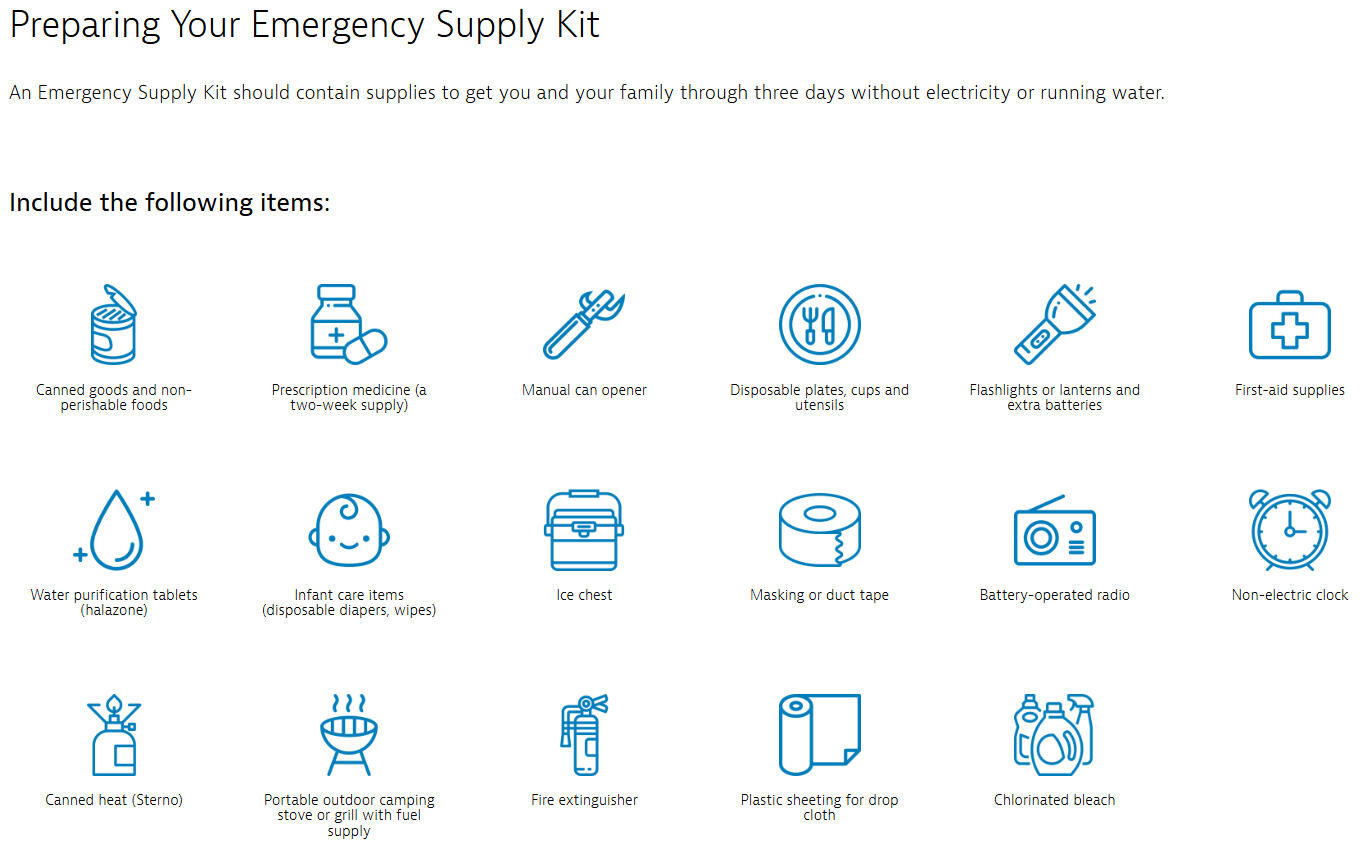
Prepare an Emergency Supply Kit


Nature is powerful and unpredictable. A strong storm can cause widespread power outages and property damage. The most important thing for you and your family is to stay safe. Follow these guidelines as after-storm safety reminders.
Safety is our first priority
Report emergencies immediately, including downed power lines or low-hanging wires. Review these tips:
*Never touch any downed or low hanging line. Always assume power lines are energized. Report the location of any downed or low hanging line to your local power company. You can also contact local authorities or 911.
*Never try to make your own electrical repairs. Wait for trained crews to do the dangerous work when it comes to restoring power.
Never pull tree limbs off power lines as they could be energized.
*Never go into areas with debris or downed trees. Dangerous power lines may be buried in the wreckage.
*Exercise caution near chain link fences. Dangerous lines may touch the metal.
*Avoid stepping in puddles and standing water after a storm as they may be touching hidden, downed power lines and be electrified.
*Never connect portable generators to your household electrical wiring. Connect only essential appliances like freezers and refrigerators directly to a generator.
What To Do Right Now
Stay safe first. If there is danger (gas smell, downed lines, flooding), leave and call 911.
Document everything before cleanup. Photos and video of every room and every damaged area.
Prevent further damage if it is safe. Shut off water if needed, tarp leaks, move items away from water.
Save receipts. Supplies, temporary repairs, hotel, generators, anything you pay for.
Do not throw damaged items away yet. Keep them until they are documented and you are told it is safe to discard.
Write down a quick timeline. When you noticed damage, when power went out, when pipes froze, etc.
Be careful signing anything. Avoid pressure to sign contracts on the spot. Take your time.
If you want coverage clarity, upload your policy. A quick review can prevent mistakes early.
Property Damage?
Some storm damage shows up immediately. Other issues, like hidden water intrusion or roof damage, can take days or weeks to reveal themselves. That’s why it helps to get clarity early.Upload your homeowners insurance policy and tell us what’s going on. A licensed rep will review it and help you understand what’s covered and how we help you get treated fairly.What to upload:
If you have it, upload your Declarations Page (usually a 1–3 page policy summary).
If you’re not sure, upload your full homeowners policy or any policy documents you have.Fast. Private. No obligation. No cost.
Takes about 3 minutes
FAQs
Is this free?
Yes. The policy clarity review is free.
Do I need to file a claim first?
No. In many cases it helps to get clarity before you file or finalize anything.
What if I've already filed a claim?
That’s fine. Submit your policy and include your claim number if you have it. We can still help you understand coverage and next steps.
How can you help with my claim amount?
We advocate for fair representation of the insured (you, not the insurance company). Most people don't know their claim was underpaid until after repairs start. We review your policy and damage, help you document properly, and advocate for a fair settlement. If an estimate comes in low, we challenge it.
What do I upload if I can’t find my declarations page?
Upload any homeowners insurance policy documents you have. We’ll work with what you send.
How fast will someone contact me?
Typically within 24 hours. We aim to respond as quickly as possible based on volume and storm conditions.
Are you a government agency?
No. IceStormHelp.org is an independent resource site and is not affiliated with any government agency.
*Not emergency services. If you are in immediate danger, call 911.